
Since the 1940s, antibiotics have saved millions of lives and played a critical role in protecting public health. However, many of the antibiotics we rely on to cure disease in humans are also used on concentrated animal feeding operations (CAFOs), or factory farms, to prevent disease in overcrowded conditions. This dangerous misuse of antibiotics in agriculture is partially responsible for the emergence of drug-resistant bacteria that pose a grave threat to public health.
Scientists, public health advocates, and consumers are pushing to end the inappropriate use of medically important antibiotics in livestock production, and while antibiotic use has recently declined in the United States, dangerous misuse is still a serious problem.1
Antibiotics and Antibiotic-Resistance
Bacteria are everywhere and are vital to the proper functioning of our bodies. In fact, humans have roughly an equal number of bacteria to human cells.2 However, while most of the bacteria on and in our bodies actually help keep us healthy, some cause serious illnesses and death.
Since the discovery of the first antibiotic, penicillin, in the early twentieth century antibiotics have been used to cure a wide range of bacterial diseases including Lyme disease, syphilis, tuberculosis and a wide range of other infections. Antibiotics, such as penicillin, tetracycline and amoxicillin kill or inhibit the growth of bacteria without causing significant harm to people.
Misuse of antibiotics, however, leads to the evolution of antibiotic-resistant bacteria. When bacteria are continually exposed to low doses of an antibiotic, those resistant to the drug survive and reproduce while the rest die off, resulting in a new bacteria population that resists the antibiotic.3 Antibiotic misuse in human medicine — such as the prescription of antibiotics to treat conditions caused by viruses like the cold or flu (which cannot be treated this way) and patients’ failure to complete their antibiotic regimen — is widely understood as a common cause of resistance.45 Another source of resistance, the overuse of antibiotics in agriculture, is less well-known, but poses a serious threat.6
When antibiotic-resistant bacteria become widespread, life-saving antibiotics become ineffective, forcing researchers and drug companies to constantly develop new drugs. However, in recent years, new antibiotic discovery has slowed while antibiotic resistance becomes more common.7
As a result, infections from resistant bacteria are both increasingly common and more difficult to treat. The Centers for Disease Control (CDC) estimates that each year in the US, at least 2.8 million people acquire antibiotic-resistant bacterial infections and 35,000 people die as a direct result.8 Health care costs associated with antibiotic-resistant bacteria amount to about $20 billion each year in the US alone and amount to more than eight million extra patient days in the hospital.9 A 2014 study by the Review of Antimicrobial Resistance, convened by the UK Prime Minister, estimates that by 2050, if nothing is done to curb antibiotic misuse, resistant bacteria will kill 10 million people a year — more than are killed by cancer today — and will cost the global economy $60 trillion to $100 trillion.10
Dr. Margaret Chan, the Director-General of the World Health Organization (WHO), released a statement on World Health Day 2011 about the bleak future for treating bacterial infections if no steps are taken to slow the development of antibiotic-resistant bacterial strains. She warned: “[I]n the absence of urgent corrective and protective actions, the world is heading toward a post-antibiotic era, in which many common infections will no longer have a cure and, once again, kill unabated.”11 WHO released the first-ever report on global antibiotic resistance in 2014, outlining the serious threat antibiotic-resistant bacteria present to public health around the world.12
Antibiotics and the Animal Industry
While antibiotic misuse in medicine is subject to serious public scrutiny, antibiotic abuse in agriculture is both more widespread and subject to far less oversight. According to the FDA, more than 20 million pounds of medically important antibiotic drugs were sold for use on livestock farms in 2014 — about 80 percent of all antibiotics sold.13
Terms to Know
- CAFO
- Concentrated Animal Feeding Operations which are also sometimes called "factory farms." It refers to an operation that raises livestock in huge concentrations, generally over 1,000 animals.
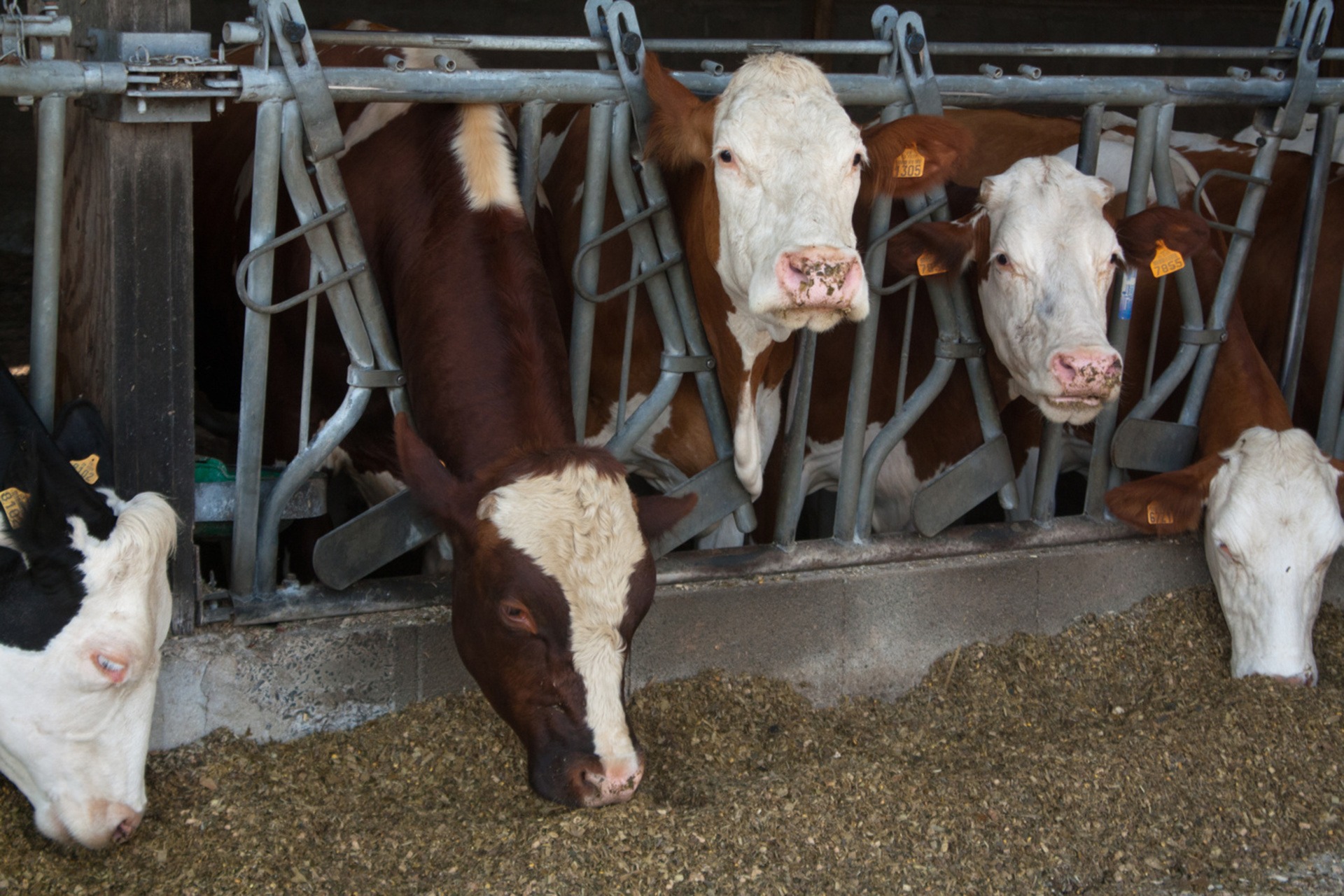
Antibiotics have been used in livestock feed since the 1940s, when studies showed that the drugs cause animals to grow faster and put on weight more efficiently; by killing off the bacteria in the animals’ guts, the antibiotics make more of the energy in the food available for the animals themselves.14 Because of this growth advantage, non-therapeutic antibiotics — those used for purposes other than treating disease — were routinely given to livestock, poultry and fish on industrial farms until the FDA effectively banned the practice in 2017.15
Doctors administering antibiotics to humans generally use them only to treat existing illness. However, low doses of antibiotics are still delivered through animal feed to prevent the diseases that result from crowded, unsanitary conditions on factory farms. As industrial farming has spread around the world, so, too, has the use of non-therapeutic antibiotics. One study estimates that global antimicrobial consumption will grow by 67 percent by 2030, due to increasing demand for animal-based products, with countries including Brazil, India and China doubling their usage over that time period.16 According to the World Health Organization, antibiotic-resistance in many areas of the world already exceeds 50 percent in many major bacteria groups, including E. coli, K. pneumonia and S. aureus.17
Antibiotic use in agriculture isn’t just limited to livestock. In 2016, the EPA approved the use of two medically important antibiotics — streptomycin and oxytetracycline — for use on citrus trees infected with Citrus Greening Disease. The treatment is considered a last resort against the fatal bacterial infection that has devastated the Florida citrus industry, but it also may not be effective; although the EPA approved spraying more than 650,000 pounds of the drugs on orchards in Florida, California and Texas, research suggests that the sprays aren’t slowing the disease. A more successful strategy, injecting antibiotics into the tree trunks, does slow infection, but it also leaves three times more antibiotic residue in the fruit than spraying does. Streptomycin and oxytetracycline are important treatments for pneumonia, syphilis, and tuberculosis, and their approval for spraying was met with widespread disapproval from the FDA, CDC, and public health associations.1819

Bacteria on the Farm Do Not Stay on the Farm
Because of cramped conditions, poor sanitation, and antibiotic overuse, disease-causing bacteria are more likely to develop in industrial livestock facilities than in small or backyard livestock farms.20 Both on and off the farm, these bacteria can infect people through animals, food, the environment and other people. In the US, as in much of the world, there is little regulation of work conditions or worker exposure in concentrated animal feeding operations (CAFOs). The conditions in these high-density animal houses provide many opportunities for worker infection and the spread of infection to others in the community. Increased bacterial and viral pathogen exposure and infections have been reported among farmers, their families and farm workers at industrial poultry and swine operations as compared to control populations.21 Workers at these facilities often carry (unknowingly) antibiotic-resistant bacteria into the general public; as one example, MRSA, a now-common staph bacteria resistant to many antibiotics, has been found to persist in the nasal passages of workers at industrial hog operations, even following extended periods away from these facilities. 22
Manure is another way both antibiotics and antibiotic-resistant bacteria enter the environment, contaminate water and spread to residential areas.23 Industrial livestock operations produce a tremendous amount of animal waste – 369 million tons in 2012, almost 13 times more than that of the 312 million people living in the US – and while human waste is treated at municipal treatment plants or by other means, there are very few regulations for animal waste and disposal, and no specific requirements for treatment. 2425 Most waste from animal confinements is stored in ponds (called lagoons) and ultimately applied untreated as fertilizer to farm fields. Bacteria can survive in untreated and land-disposed farm animal waste for two to twelve months; it is estimated that animals do not digest approximately three-quarters of the actual antibiotics, which then also necessarily pass from the animals into the environment, where they speed the evolution of drug-resistant bacteria in soil and water.2627 Manure lagoons can also overflow or burst during natural disasters, like they did during Hurricane Florence in 2018, which adds an additional threat to health and safety when clean water and medical access are already limited.28
With huge quantities of manure routinely sprayed onto fields surrounding CAFOs, both antibiotics and antibiotic-resistant bacteria can leach into surface and groundwater, contaminating drinking wells and endangering the health of people living close to large livestock facilities.29
Bacteria are also present in the air, where they travel with dust particles and water droplets. CAFOs are dusty places, and numerous studies have found high levels of antibiotics and antibiotic-resistant bacteria in air samples downwind of feedlots in dry regions. These airborne bacteria can be very persistent in the environment – one study of E. coli in dust from industrial livestock barns found they can survive for more than 20 years.30313233 Flies and other insects that thrive around CAFOs can also carry disease off the farm and into communities.34 A Johns Hopkins University study, for example, found that many houseflies near broiler poultry operations carried antibiotic-resistant bacteria strains, demonstrating there are many ways for the bacteria from the farm to move into our homes and hospitals.35
23,000
people die each year from antibiotic-resistant infections
Efforts to Curtail Antibiotic Resistance
In the US, recent policy and regulatory action has curbed some of the worst misuse of antibiotics on industrial farms, but this has not kept pace with the urgency of the looming public health threat. The Food and Drug Administration (FDA) is responsible for registering animal drugs, and guides public use by publishing voluntary guidance for industry. The FDA implemented the Veterinary Feed Directive (VFD) and Guidance for Industry #213 in late 2015 and early 2017, respectively, to make more medically-important antibiotics subject to veterinary oversight and prohibit use of the drugs for production purposes, such as growth promotion rather than for strictly medical uses. The new rules made some impact — sales of medically important antibiotics dropped 38 percent between 2015 and 2018 — but loopholes still allow for possible misuse.36 In particular:
- The VFD does not clearly define the terms of the veterinarian-client relationship and does not set strict limits on duration or refills of prescribed drugs, allowing for possible misuse of some drugs under the guise of disease prevention rather than actual limited use for treatment.
- The FDA’s list of medically important drugs needs updating as new drugs become used in medicine as resistance evolves.
- The restrictions on medically important antibiotics only account for drugs delivered in food and water, allowing for the continued over-the-counter sale of medically important drugs delivered by injection or other methods.37
While the FDA announced a five-year plan to tackle these remaining concerns in 2019, some critics suggest the time frames should be accelerated to account for the urgent threat antibiotic resistance poses.38
Preservation of Antibiotics for Medical Treatment Act
Representative Louise Slaughter (D-NY), the only microbiologist in Congress, has introduced the Preservation of Antibiotics for Medical Treatment Act (PAMTA) several times in the House of Representatives, most recently in the 2015-2016 session.39 First introduced in 1999, the bill would phase out the non-therapeutic use of eight classes of medically important antibiotics and restrict the use of many other antibiotics in animal feed, while allowing the use of these drugs for treating sick animals. The prior time it was introduced, the bill had 78 Congressional cosponsors and was endorsed by 450 health, farming, food safety, religious, labor and consumer advocate groups. Fifty cities around the country have passed resolutions encouraging the passage of PAMTA and its Senate corollary, the Prevention of Antibiotic Resistance Act. Nonetheless, the bills have never made it out of committee.40
World Health Organization Plan
In 2015, United Nations member states approved a World Health Organization plan to address antibiotic resistance, calling on countries to draw up action plans within two years.41 The plan focuses on the development of better surveillance of resistance, prevention of infections, improved control over the use of existing antibiotics and support for investment in new drug development.
Responsible Use of Antibiotics in Agriculture
Ending the routine use of antibiotics in animal agriculture is critical for maintaining the ongoing efficacy of drugs that have saved many millions of lives. It is also possible and economically feasible. Feed containing growth-promoting antibiotics (GPAs) is more expensive than feed without antibiotics, and it may not pay off; a 2007 study by Johns Hopkins University researchers showed that the increased sale price of chickens fed antibiotics did not make up for the increased feed costs. 42 This is largely because GPAs have become less effective since the early 2000s; a 2014 study estimated that their use improved weight gain in hogs by a mere one percent – which is statistically insignificant.43
Several studies of the market-level effects of a ban on GPAs in US hog and broiler chicken production indicate limited negative impacts: the quantity produced would, at most, decrease by 1.08 percent in the hog industry and 1.12 percent in the broiler industry, and the resulting increase in wholesale prices would range from less than one percent to at most two percent.44 A recent study shows that banning GPAs in Denmark led to little more than a one percent drop in production of pork and only a slight rise in poultry production, which was offset in part by eliminating GPA costs; a ban in the US would likely produce similar results.45 Given these negligible impacts to the industry and the potentially catastrophic human and economic costs of a “post-antibiotic” world, it is imperative that governments and industry take swift action to curtail the overuse of these critical drugs.
Responsible livestock production doesn’t have to completely exclude antibiotics — they are still vital tools for treating sick animals that need to be used carefully. Farmers who raise animals on pasture with sustainable practices do not use antibiotics for growth promotion or other non-therapeutic reasons. In part, they rely less on drugs because the animals are raised in cleaner environments than those of confinement operations, with less stress and the ability to express natural behaviors, and thus are less prone to sickness. Generally, these farms use antibiotics only to treat acute infections in sick animals, just as they are used to treat human illness.
Animal Welfare Approved, a label certifying high animal welfare standards on livestock farms, includes standards for antibiotic use:
- To help eliminate or reduce vulnerability to disease and the need for antibiotics at therapeutic levels, Animal Welfare Approved encourages the appropriate use of vaccines on an individual or group basis for the prevention of disease.
- Any sick or injured animals on the farm must be treated immediately to minimize pain and distress. This must include veterinary treatment if required. Recommended Homeopathic, herbal or other non-antibiotic alternative treatments are preferred. If alternative treatments are not suitable or not effective or if a veterinarian has recommended antibiotic treatment, this must be administered.
- Animals treated with an antibiotic must not be slaughtered or used to produce milk for the Animal Welfare Approved program before a period of time has passed that is at least twice the licensed withdrawal period of the antibiotic used.46
While USDA organic standards prohibit antibiotic use in animals raised organically, they also mandate that sick animals must be treated; if a sick animal is given antibiotics to treat infection, its meat or other products cannot be sold as organic, so these animals must be sold off to conventional producers after treatment.47 The USDA also states that meat and poultry may carry the label “no antibiotics added” if the producer can demonstrate that the animals were raised without antibiotics.48 The label “no routine antibiotic use” generally indicates that the animal was raised without the use of non-therapeutic antibiotics, but may have been given antibiotics to treat illness – but there is no official definition of the term by government or third-party certifiers.
What You Can Do
You can help curb the systemic spread of antibiotic-resistant bacteria by supporting meat and poultry that has been raised without non-therapeutic antibiotics:
- Find sustainably raised meat at your local farmers’ market or directly from a local farmer.
- Whenever possible, purchase meat raised under standards of third-party certifiers such as Animal Welfare Approved or American Grassfed Association, or USDA Certified Organic. Learn more about labels from our Food Label Guide.
- If you shop at a farmers’ market, ask your farmer if and how they use antibiotics.
Hide References
- Marshall, Bonnie and Levy, Stuart. “Food Animals and Antimicrobials: Impacts on Human Health.” Clinical Microbiology Reviews, 24(4): 717-733 (2011). Retrieved January 13, 2017, from https://www.ncbi.nlm.nih.gov/pmc/articles/PMC3194830/
- Sender, Ron et al. “Revised Estimates for the Number of Human and Bacteria Cells in the Body.” PLoS Biol 14:8 (2016). Retrieved January 13, 2017, from https://journals.plos.org/plosbiology/article?id=10.1371/journal.pbio.1002533
- World Health Organization. “Antimicrobial resistance: Fact sheet.” WHO, February 15, 2018. Retrieved January 13, 2017, from https://www.who.int/mediacentre/factsheets/fs194/en/
- Mayo Clinic. “Antibiotics: Are you misusing them?” Mayo Clinic, 2014. Retrieved January 13, 2017, from https://www.mayoclinic.org/healthy-lifestyle/consumer-health/in-depth/antibiotics/art-20045720
- Kohanski, Michael. “Sublethal antibiotic treatment leads to multidrug resistance via radical-induced mutagenesis.” Molecular Cell, 37(3), 311-320 (2010). Retrieved January 13, 2017, from https://www.sciencedirect.com/science/article/pii/S1097276510000286
- World Health Organization. “Antimicrobial resistance.” WHO, February 15, 2018. Retrieved April 19, 2019, from https://www.who.int/mediacentre/factsheets/fs194/en/
- Ventola, C Lee. “The Antibiotic Resistance Crisis: Part 1: Causes and Threats.” P & T: A Peer-reviewed Journal for Formulary Management 40.4 (2015): 277-83. Retrieved January 22, 2020, from https://www.ncbi.nlm.nih.gov/pmc/articles/PMC4378521/
- Centers for Disease Control and Prevention. “Antibiotic Resistance Threats in the United States.” CDC, 2013. Retrieved January 13, 2017, from https://www.cdc.gov/drugresistance/threat-report-2013/
- Centers for Disease Control and Prevention. “Antimicrobial Resistance Posing Growing Health Threat.” CDC, 2011. Retrieved January 13, 2017, from https://www.cdc.gov/media/releases/2011/p0407_antimicrobialresistance.html
- O’Neil, Jim. “Antimicrobial Resistance: Tackling a crisis for the health and wealth of nations.” The Review on Antimicrobial Resistance, December 2014. Retrieved January 13, 2017, from https://amr-review.org/sites/default/files/AMR%20Review%20Paper%20-%20Tackling%20a%20crisis%20for%20the%20health%20and%20wealth%20of%20nations_1.pdf
- Chan, Margaret. “World Health Day 2011: Combat drug resistance: no action today means no cure tomorrow.” World Health Organization, April 6, 2011. Retrieved January 13, 2017, from https://www.who.int/mediacentre/news/statements/2011/whd_20110407/en/index.html
- World Health Organization. “Antimicrobial resistance: global report on surveillance 2014.” WHO, April 2014. Retrieved January 13, 2017, from https://www.who.int/drugresistance/documents/surveillancereport/en/
- Center for Veterinary Medicine. “SUMMARY REPORT on Antimicrobials Sold or Distributed for Use in Food-Producing Animals. FDA Department of Health and Human Services, December 2015. Retrieved January 13, 2017, from https://www.fda.gov/downloads/ForIndustry/UserFees/AnimalDrugUserFeeActADUFA/UCM476258.pdf
- Dibner, JJ and Richards, JD. “Antibiotic Growth Promoters in Agriculture: History and Mode of Action.” Poultry Science, 84: 634–643. Retrieved January 13, 2017, from https://www.ars.usda.gov/alternativestoantibiotics/PDF/publications/12JJDibner.pdf
- US Department of Health and Human Services. “FDA Announces Implementation of GFI #213, Outlines Continuing Efforts to Address Antimicrobial Resistance.” US Food and Drug Administration, 2017. Retrieved May 31, 2018 from: https://www.fda.gov/AnimalVeterinary/NewsEvents/CVMUpdates/ucm535154.htm
- Van Boeckel, Thomas P. et al. “Global trends in antimicrobial use in food animals.” Proceedings of the National Academy of Sciences. vol. 112 no. 18: 5649-5654 (May 5, 2015). Retrieved January 13, 2017, from https://www.pnas.org/content/112/18/5649
- World Health Organization. “Antimicrobial resistance: global report on surveillance 2014.” WHO, April 2014. Retrieved January 13, 2017, from https://www.who.int/drugresistance/documents/surveillancereport/en/
- Jacobs, Andrew, and Michael Adno. “Citrus Farmers Facing Deadly Bacteria Turn to Antibiotics, Alarming Health Officials.” The New York Times, The New York Times, 18 May 2019. Retrieved 23 January, 2020 from www.nytimes.com/2019/05/17/health/antibiotics-oranges-florida.html.
- Jacobs, Andrew. “Spraying Antibiotics to Fight Citrus Scourge Doesn’t Help, Study Finds.” The New York Times, The New York Times, 16 Aug. 2019. Retrieved 23 January, 2020, from www.nytimes.com/2019/08/16/health/antibiotics-citrus-spraying.html
- Graham, Jay P. et al. “The Animal-Human Interface and Infectious Disease in Industrial Food Animal Production: Rethinking Biosecurity and Biocontainment.” Public Health Report, 123(3): 282–299 (May-June 2008). Retrieved January 13, 2017, from https://www.ncbi.nlm.nih.gov/pmc/articles/PMC2289982/
- Ibid.
- Nadimpalli, Maya et al. “Persistence of livestock-associated antibiotic-resistant Staphylococcus aureus among industrial hog operation workers in North Carolina over 14 days.” Occupational and Environmental Medicine, 72(2). Retrieved January 13, 2017, from https://oem.bmj.com/content/early/2014/09/05/oemed-2014-102095.full
- Graham, Jay P. et al. “The Animal-Human Interface and Infectious Disease in Industrial Food Animal Production: Rethinking Biosecurity and Biocontainment.” Public Health Report, 123(3): 282–299 (May-June 2008). Retrieved January 13, 2017, from https://www.ncbi.nlm.nih.gov/pmc/articles/PMC2289982/
- Food & Water Watch. “What’s Wrong With Factory Farms?” FWW, (n.d.). Retrieved December 6, 2016, from https://www.factoryfarmmap.org/problems/
- Graham, Jay P. et al. “The Animal-Human Interface and Infectious Disease in Industrial Food Animal Production: Rethinking Biosecurity and Biocontainment.” Public Health Report, 123(3): 282–299 (May-June 2008). Retrieved January 13, 2017, from https://www.ncbi.nlm.nih.gov/pmc/articles/PMC2289982/
- Ibid.
- Chee-Sanford, JC et al. “Fate and transport of antibiotic residues and antibiotic resistance genes following land application of manure waste.” Journal of Environmental Quality, 38(3), 1086-1089 (2009). Retrieved January 13, 2017, from https://www.ncbi.nlm.nih.gov/sites/entrez?Db=pubmed&Cmd=Retrieve&list_uids=19398507&dopt=abstractplus
- Biesecker, Michael, and Gary D. Robertson. “Hurricane Florence Breaches Manure Lagoon, Coal Ash Pit in North Carolina.” PBS, Public Broadcasting Service, 17 Sept. 2018. Retrieved 27 January, 2020, from www.pbs.org/newshour/nation/hurricane-florence-breaches-manure-lagoon-coal-ash-pit-in-north-carolina
- Hribar, Carrie. “Understanding Concentrated Animal Feeding Operations and Their Impact on Communities.” National Association of Local Boards of Health: Ohio, 2010. Retrieved January 13, 2017, from https://www.cdc.gov/nceh/ehs/docs/understanding_cafos_nalboh.pdf
- McEachran, Andrew D., et al. “Antibiotics, Bacteria, and Antibiotic Resistance Genes: Aerial Transport from Cattle Feed Yards via Particulate Matter.” Environmental Health Perspectives (April 1, 2015). Retrieved January 13, 2017, from https://ehp.niehs.nih.gov/1408555/
- Ahmad, Aqeel, et al. “Insects in confined swine operations carry a large antibiotic-resistant and potentially virulent enterococcal community.” BioMed Central Microbiology 11:23 (2011). Retrieved January 13, 2017, from https://bmcmicrobiol.biomedcentral.com/articles/10.1186/1471-2180-11-23
- Nadimpalli, Maya. “Persistence of livestock-associated antibiotic-resistant Staphylococcus aureus among industrial hog operation workers in North Carolina over 14 days.” Occupational & Environmental Medicine, 72(2) (September 8, 2014). Retrieved May 31, 2018, from https://oem.bmj.com/content/early/2014/09/05/oemed-2014-102095.info
- Schulz, Jochen, et al. “Antimicrobial-Resistant Escherichia coli Survived in Dust Samples for More than 20 Years.” Frontiers in Microbiology, 7: 866 (2016). Retrieved January 13, 2017, from https://www.ncbi.nlm.nih.gov/pmc/articles/PMC4901058/
- Zurek, Ludek and Ghosh, Anuradha. “Insects Represent a Link between Food Animal Farms and the Urban Environment for Antibiotic Resistance Traits.” Applied Environmental Microbiology, 80(12): 3562-3567 (June 2014). Retrieved January 13, 2017, from https://aem.asm.org/content/80/12/3562.short
- Graham, JP, et al. “Antibiotic resistant enterococci and staphylococci isolated from flies collected near confined poultry feeding operations.” Science of the Total Environment, 407(8):2701-10 (April 1, 2009). Retrieved January 13, 2017, from https://www.ncbi.nlm.nih.gov/pubmed/19157515
- Antimicrobials Sold or Distributed for
Use in Food-Producing Animals.” United States Food and Drug Administation, Center for Veterinary Medicine, December 2019. Retrieved 27 January, 2020, from https://www.fda.gov/media/133411/download - Ibid.
- Hoelzer, Karin, and Daniel Feingold. “Highlights of FDA’s 5-Year Plan to Improve Antibiotic Use in Food Animals.” The Pew Charitable Trusts, 11 December, 2018. Retrieved 27 January, 2020 from www.pewtrusts.org/en/research-and-analysis/articles/2018/12/11/highlights-of-fdas-5-year-plan-to-improve-antibiotic-use-in-food-animals
- 116th Congress. “H.R.1552 – Preservation of Antibiotics for Medical Treatment Act of 2015.” Congress.gov, 2015-2016. Retrieved January 13, 2017, from https://www.congress.gov/bill/114th-congress/house-bill/1552/cosponsors?q=%7B%22search%22%3A%5B%22Preservation+Antibiotics+for+Medical+Treatment+Act%22%5D%7D
- Ibid.
- World Health Organization. “World Health Assembly addresses antimicrobial resistance, immunization gaps and malnutrition.” WHO, May 25, 2015. Retrieved January 13, 2017, https://www.who.int/mediacentre/news/releases/2015/wha-25-may-2015/en/
- Boland, Jay P. et al. “Growth Promoting Antibiotics in Food Animal Production: An Economic Analysis.” Public Health Reports, 122(1), 79-87 (Jan-Feb 2007). Retrieved January 13, 2017, from https://www.ncbi.nlm.nih.gov/pmc/articles/PMC1804117/
- Teilant, Aude and Laxminarayan, Ramanan. “Economics of Antibiotic Use in U.S. Swine and Poultry Production.” Choices, 1st Quarter, 30(1), (2015), Agricultural & Applied Economics Association. Retrieved January 13, 2017, from https://www.choicesmagazine.org/UserFiles/file/cmsarticle_404.pdf
- Ibid.
- Ibid.
- Animal Welfare Approved. “Beef Cattle and Calves Standards.” A Greener World, (n.d.). Retrieved January 13, 2017, from https://animalwelfareapproved.us/standards/beef-cattle-2015/#30-health-management
- USDA Agricultural Marketing Service. “Organic Livestock Requirements.” USDA, July 2013. Retrieved January 15, 2017, from https://www.ams.usda.gov/publications/content/organic-livestock-requirements
- US Department of Agriculture. “Meat and Poultry Labeling Terms.” USDA, January 15. Retrieved April 19, 2019, from https://www.fsis.usda.gov/wps/portal/fsis/topics/food-safety-education/get-answers/food-safety-fact-sheets/food-labeling/meat-and-poultry-labeling-terms/